Nokia has spent the past six weeks reshaping key parts of its leadership structure, from the board and management team to its largest business unit.
Between its April AGM and today’s appointment of Emma Falck as president of mobile infrastructure, the Finnish telecom company refreshed its board, expanded its leadership team, and named a new leader for its biggest business segment.
Individually, the changes look incremental. Together, they suggest Nokia is positioning itself for a more AI-driven phase of network infrastructure.
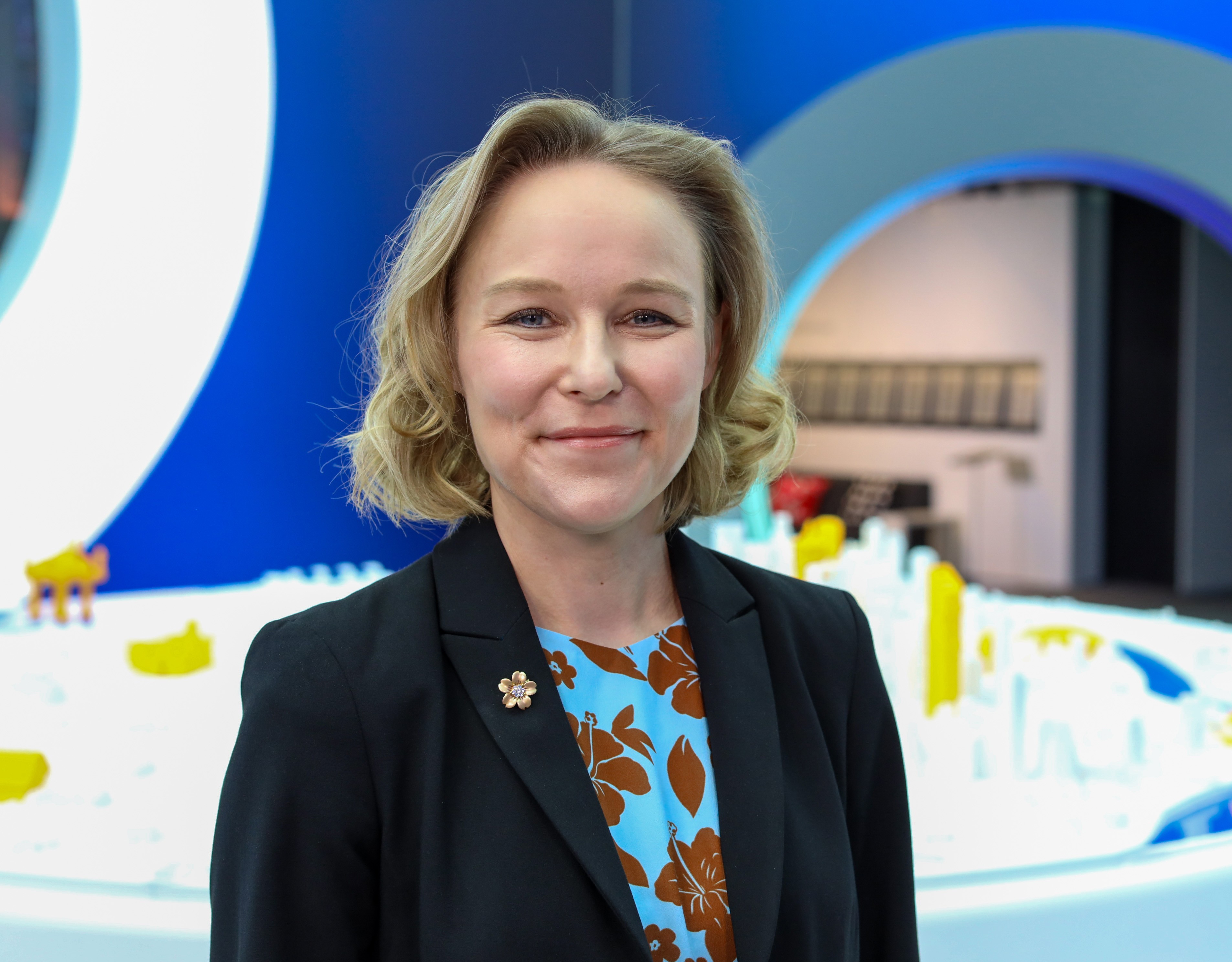
Falck’s appointment is the clearest signal yet. She will take over mobile infrastructure on 1 September and join the group leadership team, moving from Siemens, where she most recently served as executive vice president, products, smart infrastructure buildings. The unit she inherits is not peripheral. Mobile Infrastructure remains Nokia’s largest business and the division most exposed to competitive pressure from Ericsson and Huawei.
The choice to recruit externally matters. Rather than selecting a longtime telecom executive, Nokia chose a leader whose background spans industrial automation, operational transformation, software, and large-scale systems businesses. That choice aligns with Nokia’s recent emphasis on operational execution and software-led infrastructure.
Why Nokia chose an outsider
Falck’s background combines technical depth, international operational experience, and transformation management. Before Siemens, she spent five years as a partner and managing director at Boston Consulting Group. Earlier, she held senior roles at KONE, including responsibilities tied to the Greater China market. She also holds a PhD in engineering physics from Aalto University.
The emphasis from both Falck and Hotard was notably operational rather than visionary. “As AI moves toward physical AI, networks need to become AI-native by design for both 5G Advanced and 6G,” Hotard said in Nokia’s announcement.
Falck framed the challenge even more directly. “Customers need partners who can deliver with speed and predictability, and turn technology roadmaps into real-world performance.”
That framing reflects how Nokia has recently positioned its infrastructure business. Alongside network performance and scale, the company has increasingly emphasized software-led infrastructure, AI-native networks, automation, and operational execution in both its leadership messaging and recent product announcements.
Rather than presenting AI as a standalone product category, Nokia has increasingly framed it as part of how future networks will be designed, managed, and monetized. That ambition has become visible across several recent moves, including Nokia’s 12 May 2026 launch of agentic AI capabilities for home and broadband networks.
At Mobile World Congress in March, Nokia and Telia announced a collaboration around AI-RAN commercialization, targeting industrial and mission-critical use cases. Earlier the same month, Nokia expanded its long-running relationship with Virgin Media O2 through a multi-year 5G RAN agreement in the UK. The company has also continued investing in data center networking and software-led infrastructure.
Its new 55,000 square meter “Home of Radio” campus in Oulu, opened last year, is designed to centralize R&D and manufacturing around future network technologies. Meanwhile, the company’s Aurelis data center management platform reflects a broader push into software-defined infrastructure with lower power consumption and fewer hardware dependencies.
A broader leadership reset
These are not disconnected initiatives. The company’s recent investments, partnerships, and leadership changes increasingly point in the same direction.
“The internet supercycle fundamentally redefined networks from voice-centric to data-centric,” Hotard said in an earlier internal message. “As we begin the AI supercycle, I believe we will see a similarly radical transformation.” Nokia’s recent leadership and infrastructure decisions increasingly align with that broader framing of AI-driven network transformation.
At Nokia’s AGM in April, Timo Ihamuotila formally became chair of the board, with SAP executive Thomas Saueressig appointed vice chair. Meredith Whittaker, known internationally for her work on AI governance and digital ethics, also joined the board. Earlier in April, Kristen Pressner entered Nokia’s leadership team as chief people officer.
Taken together, the changes point to a company expanding the range of experience around its leadership table, particularly in software, AI, enterprise technology, and organizational transformation.
That matters because Nokia’s challenge increasingly extends beyond technology itself. The company already possesses much of the engineering capability required to compete in advanced network infrastructure. The harder question is whether it can consistently translate technical capability into stronger execution, software-led revenue growth, and commercial momentum.
Falck’s background in industrial technology and operational leadership appears aligned with that broader focus on execution and scalability.
Her experience at Siemens and KONE exposed her to businesses where industrial reliability, software integration, and operational predictability matter as much as product innovation. Those pressures are becoming more relevant for telecom infrastructure providers as networks become increasingly software-defined and AI-dependent.
The recent changes also extend beyond operations and technology. Nokia’s recent share transfers tied to long-term incentive programs, alongside its substantial remaining treasury share position, suggest a company preparing for a multi-year transformation cycle rather than a short-term reset.
The leadership structure now looks materially different from where Nokia started the year.
The next test is execution
Nokia’s technology roadmap is increasingly clear. The harder test is whether the company can translate that roadmap into faster deployments, more software-led revenue, and stronger commercial momentum before competitors do the same.
Falck joins Nokia as the company continues reshaping its leadership structure around AI, software, and operational execution.
·
5 min read
Explore and follow profiles from this article to get timely updates:
Nokia has spent the past six weeks reshaping key parts of its leadership structure, from the board and management team to its largest business unit.
Between its April AGM and today’s appointment of Emma Falck as president of mobile infrastructure, the Finnish telecom company refreshed its board, expanded its leadership team, and named a new leader for its biggest business segment.
Individually, the changes look incremental. Together, they suggest Nokia is positioning itself for a more AI-driven phase of network infrastructure.
Falck’s appointment is the clearest signal yet. She will take over mobile infrastructure on 1 September and join the group leadership team, moving from Siemens, where she most recently served as executive vice president, products, smart infrastructure buildings. The unit she inherits is not peripheral. Mobile Infrastructure remains Nokia’s largest business and the division most exposed to competitive pressure from Ericsson and Huawei.
The choice to recruit externally matters. Rather than selecting a longtime telecom executive, Nokia chose a leader whose background spans industrial automation, operational transformation, software, and large-scale systems businesses. That choice aligns with Nokia’s recent emphasis on operational execution and software-led infrastructure.
Why Nokia chose an outsider
Falck’s background combines technical depth, international operational experience, and transformation management. Before Siemens, she spent five years as a partner and managing director at Boston Consulting Group. Earlier, she held senior roles at KONE, including responsibilities tied to the Greater China market. She also holds a PhD in engineering physics from Aalto University.
The emphasis from both Falck and Hotard was notably operational rather than visionary. “As AI moves toward physical AI, networks need to become AI-native by design for both 5G Advanced and 6G,” Hotard said in Nokia’s announcement.
Falck framed the challenge even more directly. “Customers need partners who can deliver with speed and predictability, and turn technology roadmaps into real-world performance.”
That framing reflects how Nokia has recently positioned its infrastructure business. Alongside network performance and scale, the company has increasingly emphasized software-led infrastructure, AI-native networks, automation, and operational execution in both its leadership messaging and recent product announcements.
Rather than presenting AI as a standalone product category, Nokia has increasingly framed it as part of how future networks will be designed, managed, and monetized. That ambition has become visible across several recent moves, including Nokia’s 12 May 2026 launch of agentic AI capabilities for home and broadband networks.
At Mobile World Congress in March, Nokia and Telia announced a collaboration around AI-RAN commercialization, targeting industrial and mission-critical use cases. Earlier the same month, Nokia expanded its long-running relationship with Virgin Media O2 through a multi-year 5G RAN agreement in the UK. The company has also continued investing in data center networking and software-led infrastructure.
Its new 55,000 square meter “Home of Radio” campus in Oulu, opened last year, is designed to centralize R&D and manufacturing around future network technologies. Meanwhile, the company’s Aurelis data center management platform reflects a broader push into software-defined infrastructure with lower power consumption and fewer hardware dependencies.


A broader leadership reset
These are not disconnected initiatives. The company’s recent investments, partnerships, and leadership changes increasingly point in the same direction.
“The internet supercycle fundamentally redefined networks from voice-centric to data-centric,” Hotard said in an earlier internal message. “As we begin the AI supercycle, I believe we will see a similarly radical transformation.” Nokia’s recent leadership and infrastructure decisions increasingly align with that broader framing of AI-driven network transformation.
At Nokia’s AGM in April, Timo Ihamuotila formally became chair of the board, with SAP executive Thomas Saueressig appointed vice chair. Meredith Whittaker, known internationally for her work on AI governance and digital ethics, also joined the board. Earlier in April, Kristen Pressner entered Nokia’s leadership team as chief people officer.
Taken together, the changes point to a company expanding the range of experience around its leadership table, particularly in software, AI, enterprise technology, and organizational transformation.
That matters because Nokia’s challenge increasingly extends beyond technology itself. The company already possesses much of the engineering capability required to compete in advanced network infrastructure. The harder question is whether it can consistently translate technical capability into stronger execution, software-led revenue growth, and commercial momentum.
Falck’s background in industrial technology and operational leadership appears aligned with that broader focus on execution and scalability.
Her experience at Siemens and KONE exposed her to businesses where industrial reliability, software integration, and operational predictability matter as much as product innovation. Those pressures are becoming more relevant for telecom infrastructure providers as networks become increasingly software-defined and AI-dependent.
The recent changes also extend beyond operations and technology. Nokia’s recent share transfers tied to long-term incentive programs, alongside its substantial remaining treasury share position, suggest a company preparing for a multi-year transformation cycle rather than a short-term reset.
The leadership structure now looks materially different from where Nokia started the year.
The next test is execution
Nokia’s technology roadmap is increasingly clear. The harder test is whether the company can translate that roadmap into faster deployments, more software-led revenue, and stronger commercial momentum before competitors do the same.
Falck joins Nokia as the company continues reshaping its leadership structure around AI, software, and operational execution.
Follow moves like this on the Listeds Executive Intelligence Platform.



Nordic Listed Leaders Board Programme
Learn board work from
the people who do it.
Harvard cases, coaching and open dialogue with people who sit on and work with boards of Finnish publicly listed companies.
Next cohort
19 November 2026
Then January, April, August and October 2027


Latest on Listeds

